Blog

  • How Much Does a Small Business Website Cost in 2026? Insights for Business Owners

    How Much Does a Small Business Website Cost in 2026? Insights for Business Owners

    Understanding the Costs of Building a Small Business Website in 2026

    As we look forward to 2026, small business owners need to acknowledge the various elements that will influence the small business website cost. The total expense of developing a business website can range significantly depending on multiple factors such as the type of the website, the complexity of features, and the design requirements.

    For instance, a basic informational website typically costs between $1,500 and $5,000. These websites generally contain essential pages like Home, About Us, Services, and Contact. In contrast, e-commerce websites, with features such as shopping carts and payment gateways, can range from $5,000 to $20,000 or more, particularly if they require custom functionality or extensive design work.

    The complexity of functionality plays a pivotal role in determining website design pricing. More sophisticated websites that incorporate advanced features—such as user dashboards, custom application development, or integration with third-party services—can markedly increase the overall expenditure. Additionally, when considering the how much does a website cost, it’s important to account for recurring expenses like web hosting, domain registration, and maintenance costs, which can add approximately $500 to $2,000 annually.

    Moreover, investing in a professional website can enhance business credibility and improve online presence. A well-designed website not only attracts customers but also fosters trust by showcasing professionalism and effective communication of brand values. In the competitive online landscape of 2026, the value of a high-quality business website is paramount for any small business seeking to thrive in the digital age.

    Key Factors That Influence Website Costs

    The cost of a small business website in 2026 can vary significantly due to various factors that influence website design pricing. To gain a thorough understanding of how much does a website cost, business owners should first consider the complexity of the design and development necessary for their specific needs. A website developed with custom designs and functionalities generally requires more time and expertise, leading to a higher overall business website price in the USA.

    Another crucial factor is the choice of platform. Business owners often find that platforms like WordPress are more cost-effective compared to custom-built solutions. While WordPress provides a robust framework and templates for lower upfront costs, a custom-built website allows for personalized features but at a notably higher expense. The decision between these options plays a vital role in determining the final website cost.

    Additionally, the desire for specific functionalities, such as e-commerce capabilities or booking systems, also impacts the website costs. These features require various integrations, thus increasing the technical expertise and time needed for development, which translates to higher costs. Ongoing maintenance, hosting services, and security features also need careful consideration during budget planning. Regular updates and security measures incur ongoing expenses that should be factored into the small business website cost 2026.

    Lastly, while evaluating the business website price USA, owners should not overlook the importance of user experience and the quality of design, as these elements are critical for customer engagement and retention. All of these factors together contribute substantially to determining how much a website ultimately costs, making it essential for business owners to perform a comprehensive analysis of their web needs to accurately estimate their budget.

    Tips for Avoiding Overpaying for Your Small Business Website

    When it comes to determining the small business website cost 2026, business owners often find themselves navigating a complex landscape of pricing models and expectations. To avoid overpaying for your small business website, the first step is to gather multiple quotes from various web design agencies. This practice not only provides a clearer idea of what constitutes a fair market price but also allows you to identify agencies that align with your budget. By comparing various options, you can make an informed decision that best serves your financial considerations.

    Next, it’s essential to understand different pricing models in the industry, such as fixed rates versus hourly rates. A business website price USA can fluctuate significantly based on the pricing model adopted by the agency. Fixed rates can offer more predictability in terms of total costs, whereas hourly rates might lead to unforeseen expenses if the project extends beyond the initial estimates. Carefully evaluating which model suits your needs can play a crucial role in managing your website design budget.

    Furthermore, prioritizing your needs versus wants is vital when planning your website. Outline the essential functionalities required for your site and differentiate them from desirable features that may not be immediately necessary. This process allows you to allocate your budget more strategically and can significantly impact your overall website design pricing.

    Lastly, maintaining transparent communication with your web designers is critical to ensure that both parties have aligned expectations. Clearly defined project scopes can help avoid unnecessary expenses and misunderstandings. By discussing the project details openly from the outset, you can minimize the risk of alterations that may increase the website cost unnecessarily.

    Conclusion: Making an Informed Decision for Your Web Design Needs

    As we have explored throughout this blog post, understanding the small business website cost 2026 landscape is essential for business owners aiming to establish an online presence. The intricate details of website design pricing reveal a wide range of options, highlighting the importance of assessing both your budget and needs accurately. The costs associated with building a business website in the USA can vary significantly, influenced by factors such as design complexity, functionality requirements, and the expertise of the chosen web design agency.

    Investing in a well-designed website is not merely an expense; it is a crucial strategy that can lead to substantial returns. A thoughtfully crafted site can enhance your brand’s visibility, improve customer engagement, and ultimately contribute to increased revenue. When considering how much does a website cost, remember that the right investment can position your small business for future growth and success.

    It is advisable to conduct thorough research and contemplate your specific requirements before deciding on a web design partner. Aligning with a reputable agency can ensure that you receive tailored solutions that resonate with your business goals. They will help navigate the complexities associated with web design and development, ensuring that you are well-informed every step of the way.

    Ultimately, choosing the right web design agency can be pivotal to your success. As you weigh your options and consider your budget, we invite you to reach out for a personalized consultation. Together, we can create a strategy that aligns with your vision and enables your business to thrive in the digital landscape.

  • Why Small Business Websites Fail to Generate Customers—and How to Fix Them

    Why Small Business Websites Fail to Generate Customers—and How to Fix Them

    Understanding the Common Pitfalls of Small Business Websites

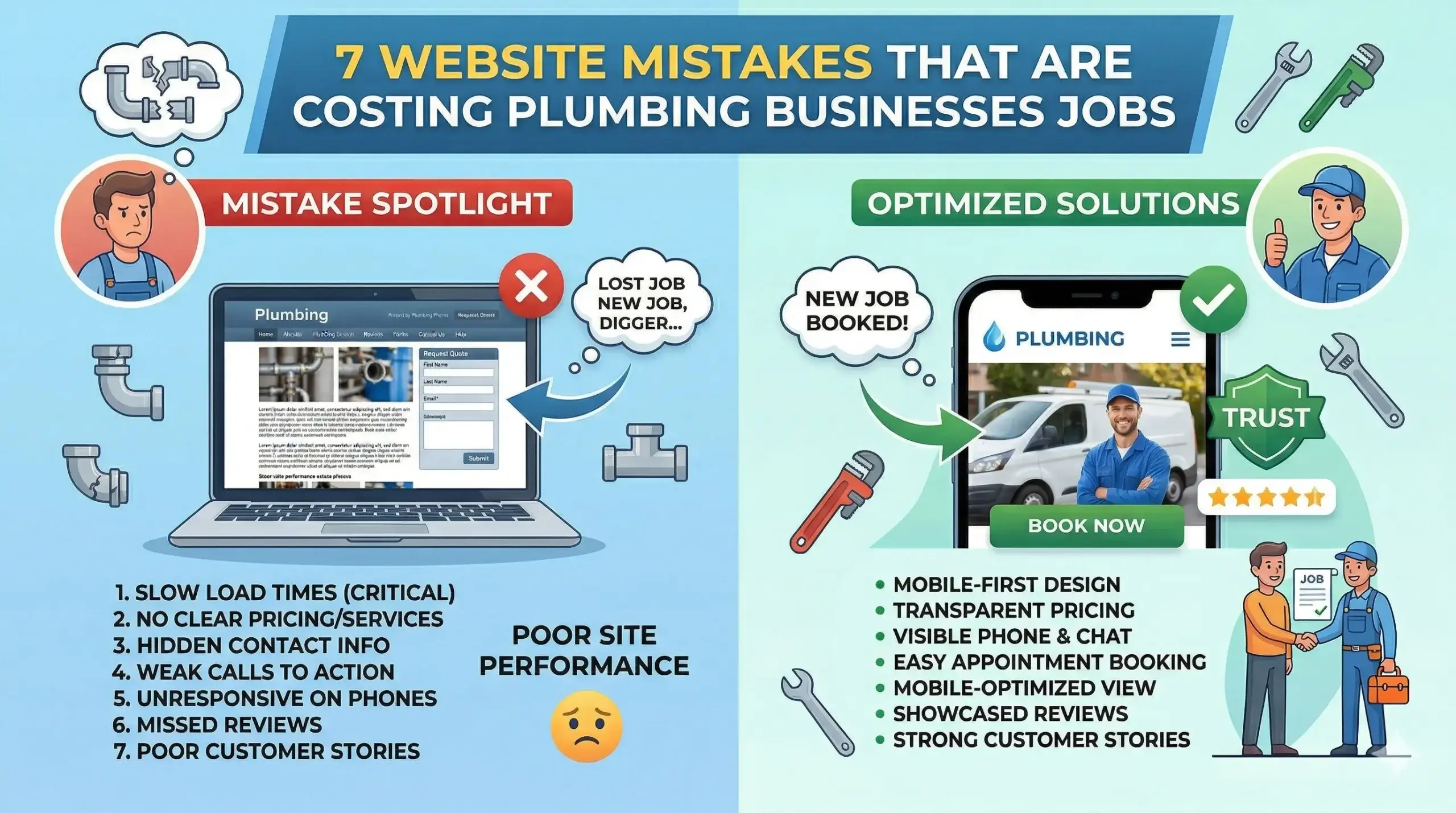
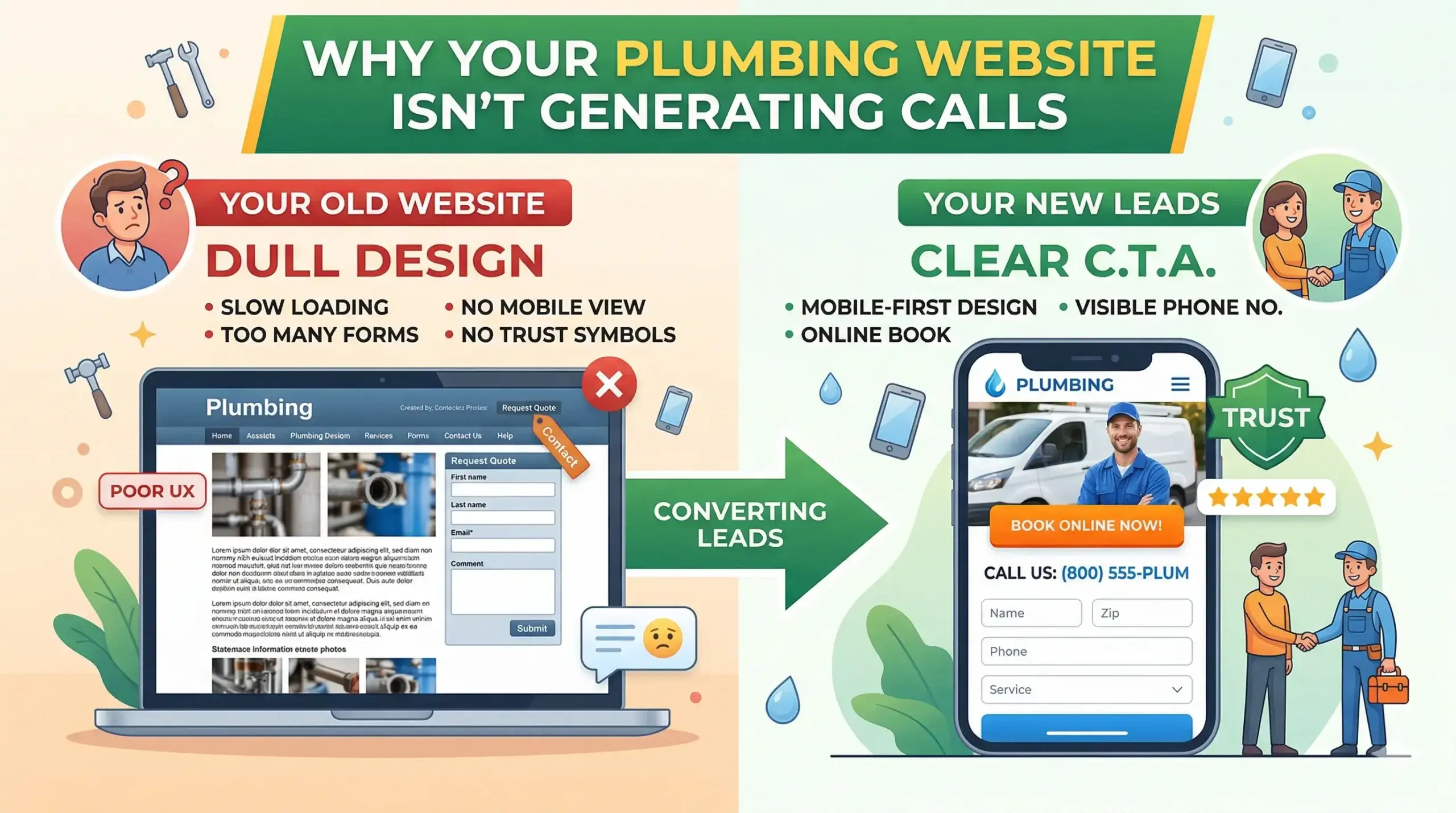
    The digital landscape is essential for small businesses, yet many often find their websites failing to attract and convert customers effectively. Several small business website problems contribute to this issue, often stemming from a combination of poor design, inadequate functionality, ineffective search engine optimization (SEO), and a lack of clear calls to action.

    One prevalent issue is poor website design. A website that is cluttered, visually unappealing, or difficult to navigate can deter visitors almost instantaneously. For example, a small retail business may have an outdated design that contrasts sharply with competitors’ modern websites. Such a disparity not only diminishes user experience but can also lead potential customers to assume the business is out of touch or unprofessional.

    Lack of functionality is another common pitfall. A small business might have features that do not work correctly, such as broken links, slow loading pages, or ineffective forms. In today’s fast-paced environment, a slow website losing customers is particularly problematic; if a visitor encounters delays or errors, they are likely to abandon the site, reducing conversion rates significantly.

    Additionally, many small businesses fail to implement effective SEO strategies, resulting in poor visibility in search engine results. For instance, if a business does not utilize relevant keywords or has not configured meta tags properly, its website may not appear in searches related to its products or services. This oversight can lead to missed opportunities for attracting new customers.

    Finally, the absence of clear calls to action can leave visitors unsure about the next steps. A successful small business website should guide visitors toward making a purchase, subscribing to a newsletter, or contacting the business. Overall, recognizing these pitfalls is crucial for business owners to address the reasons why their websites may not be converting effectively and to implement necessary improvements.

    The Importance of User Experience (UX) and Design

    User experience (UX) and website design are pivotal in determining the success or failure of small business websites. When visitors land on a poorly designed website, they are often quick to leave, thereby exacerbating the small business website problems that many organizations face today. An effective design significantly influences customer engagement and retention, making it a central focus for any business aiming to improve its conversion rates.

    One key element that enhances usability is intuitive navigation. A website that is easy to navigate allows users to find what they are looking for without frustration. According to a study by Forrester Research, intuitive navigation can improve conversion rates by up to 200%. If a user cannot easily locate product categories or contact information, they may abandon the site and seek alternatives, further aggravating the issues of why a website may not be converting visitors into customers.

    Another critical aspect to consider is mobile responsiveness. With over 50% of web traffic now generated from mobile devices, a small business website must be optimized for these users. Google’s mobile-first indexing emphasizes this requirement. A responsive design ensures that your website looks good and performs well across all devices, which can lead to better engagement and ultimately higher conversion rates.

    Loading speed also plays a crucial role in customer retention. Research indicates that a slow website can lead to substantial customer loss, with a delay of just one second potentially decreasing conversions by 7%. Hence, slow website losing customers should be avoided at all costs. Tools like Google PageSpeed Insights can help identify performance improvements. By addressing these key design elements, small businesses can effectively tackle the challenges they face and significantly enhance their website’s potential for conversion.

    Essential SEO Strategies for Small Business Websites

    Many small business website problems stem from insufficient visibility in search engines, which hinders their ability to attract customers. Implementing effective SEO strategies can help improve this visibility, ultimately addressing why a website is not converting as expected. One of the foundational elements of SEO is on-page optimization. This involves ensuring that every webpage is structured correctly with relevant headings, meta descriptions, and image alt texts that incorporate target keywords. By making these adjustments, business owners can enhance the likelihood of their site ranking higher in search results.

    Keyword research is another pivotal aspect of SEO that many small businesses overlook. By identifying keywords related to their industry and incorporating them into their website’s content, businesses can increase their chances of being found by potential customers. Tools like Google Keyword Planner can facilitate this process by providing insights into what users are searching for. Equally crucial is local SEO. This tactic targets potential customers in specific geographical areas, which is particularly beneficial for small businesses. Ensuring that the business is listed on Google My Business and optimizing local citations can significantly improve visibility among local patrons.

    Moreover, creating quality content that resonates with the target audience is pivotal. Informative blog posts, how-to guides, and local news articles can attract organic traffic, thereby addressing the slow website losing customers issue. Quality content establishes authority and encourages visitors to spend more time on the site, which positively impacts conversion rates. Additionally, integrating visual elements such as videos and infographics can enhance user engagement. By implementing these SEO strategies, small businesses can start resolving their website conversion issues and begin attracting the customers they need to thrive.

    When to Consider a Website Redesign and What to Expect

    For many small business owners, recognizing the signs that their website is underperforming can be challenging. However, understanding when to consider a website redesign is crucial for improving conversion rates and overall customer engagement. There are several indicators that suggest it’s time to reassess your online presence. For instance, an outdated design or layout can detract from a user’s experience, making it difficult for them to navigate or find essential information, ultimately leading to a decrease in inquiries and sales. This confusion can directly correlate with why the website is not converting visitors into customers.

    Another signal that indicates the necessity for a redesign is poor performance metrics. If your website analytics show high bounce rates or low engagement times, it’s likely that visitors are not finding what they need, leading them away from your site. Moreover, slow websites are losing customers; as loading times increase, patience tends to decrease. This is a critical aspect to address during the redesign process, ensuring that speed optimization is prioritized to retain potential clients.

    When you decide to engage in a website redesign for your small business, it is important to prepare for various aspects of the process. Set a budget early on, as costs can vary significantly depending on the complexity of the redesign. Typically, redesign projects can take anywhere from a few weeks to several months, depending on scope and resources. Furthermore, effective communication with your chosen web design agency is essential to ensure that your vision is realized. Clearly outline your expectations and any specific website conversion tips you may have collected from user feedback to guide the redesign decisions. Such collaborative efforts can greatly enhance the success of your new website, ultimately driving customer engagement and conversions.

  • The Impact of a Good Website on Sales: Why Your Business Needs One

    The Impact of a Good Website on Sales: Why Your Business Needs One

    Why Your Business Needs a Website

    In the contemporary digital landscape, the necessity for a business website is more pronounced than ever. With increasing reliance on the internet for information and services, consumers now expect companies to have an accessible online presence. Studies reveal that approximately 75% of consumers judge a business’s credibility based on its website design. This key indicator unveils the importance of both web design and development in establishing trust and authority within any given industry.

    Moreover, the shift in consumer behavior has been significant. According to recent surveys, over 80% of shoppers engage in online research before making a purchase decision. Consequently, a business website acts as the first point of contact between a brand and its potential customers, thus enhancing visibility and encapsulating the essence of a company’s offerings. As the gateway to a business’s online identity, it allows customers to engage with products and services at their convenience.

    Additionally, a website is indispensable for effective marketing and communication strategies. It facilitates a platform where businesses can share information about promotions, new products, and updates directly with their audience, while also providing valuable insights through analytics. Without an online presence, companies risk losing opportunities to competitors who recognize the need for a cohesive web development strategy. The significance of a responsive and well-structured website cannot be overstated, as it serves as a digital storefront that is accessible 24/7, appealing to a global audience.

    In conclusion, investing in a well-designed website is not merely an option; it is a fundamental requirement for any business keen on thriving in a competitive market. The advantages of establishing an online presence are manifold, positioning businesses to capture the attention of potential customers while ensuring they remain relevant in an increasingly digital world.

    How a Good Website Functions as Your 24/7 Sales Representative

    A well-structured and effectively designed website serves as a dedicated sales assistant, tirelessly working around the clock to support business objectives. Unlike traditional sales representatives who can only operate within specific hours, a business website is accessible 24/7, allowing potential customers to engage with your offerings at their convenience. This capability can significantly enhance sales by providing ongoing assistance and information to prospective buyers.

    One of the key features that elevate a website’s role in sales is its e-commerce functionality. With integrated shopping cart systems, payment gateways, and inventory management, businesses can facilitate seamless online purchases. Customers can browse products, make selections, and transact without the need for human intervention, resulting in higher conversion rates and increased sales, even when physical stores are closed.

    Additionally, the implementation of interactive features such as chatbots can further empower a website to serve as an effective sales representative. These AI-driven tools can engage visitors in real time, answering inquiries, providing product recommendations, and addressing concerns. This immediate accessibility of information enhances user experience and fosters trust, ultimately leading to higher sales conversions.

    Moreover, an intuitive web design paired with straightforward navigation encourages potential customers to explore more. Easy access to information about products and services translates into increased interest and a higher likelihood of purchases. A well-designed website not only captivates attention but also directs users through a streamlined buying process, ensuring minimal friction and maximizing opportunities to convert visitors into paying customers.

    In conclusion, a good website is not merely a digital storefront; it is an essential component of modern business that continually generates sales opportunities. Harnessing features like e-commerce capabilities, chatbots, and an appealing design not only supports customer inquiries but also drives engagement, making it invaluable to any business aiming to thrive in the digital marketplace.

    The Direct Impact of a Good Website on Sales

    A well-crafted website serves as the foundation for successful web development and can significantly enhance a business’s sales performance. One of the most crucial elements of an effective website is user experience. When users can navigate the site intuitively and find the information they need without hassle, they are more likely to progress through the sales funnel. Optimizing a website’s layout and design not only captivates potential customers but also encourages them to take concrete actions such as making a purchase or signing up for newsletters.

    In addition to user experience, optimizing for conversions is a vital component of successful website development. This may involve A/B testing various calls-to-action (CTAs), ensuring swift load times, and making the checkout process as seamless as possible. For example, an e-commerce platform that reduced cart abandonment by streamlining its checkout process saw a remarkable 25% increase in completed transactions, underscoring how every enhancement counts in web design.

    Another important factor is the integration of social proof, which can greatly influence customer trust and, subsequently, sales. Customer reviews, testimonials, and case studies act as endorsements for new visitors. For instance, a business that prominently featured customer success stories on its website reported an uplift in conversions, with visitors being approximately 30% more likely to make a purchase after reading positive reviews. This illustrates how an effective business website can serve not just as a digital storefront, but as a powerful sales engine.

    Overall, the direct impact of a well-developed website on sales can be profound, encompassing enhanced user experiences, optimized conversion paths, and strategic use of social proof. Businesses that recognize the importance of investing in a professional website are likely to see tangible financial benefits that far outweigh the initial costs of web development.

    Why Choose Digital Trace for Your Website Needs

    When considering website development for your business, choosing the right agency can significantly impact your online success. Digital Trace Agency stands out in the realm of web development and web design, providing a comprehensive suite of services tailored to meet the unique needs of businesses in various sectors. The agency is distinguished by its experienced team of professionals who bring a wealth of knowledge and skill to every project.

    One of the key attributes of Digital Trace Agency is its client-oriented approach. The team commits to understanding the specific goals and requirements of each business, ensuring that the final product not only reflects the brand’s identity but also serves as a functional and effective business website. This commitment to customization means that each web development project is uniquely designed to engage targeted audiences and drive sales.

    Furthermore, the agency’s portfolio showcases a variety of successful case examples that illustrate their capability in transforming ordinary websites into powerful digital tools. These case studies comprise businesses that, through tailored web design and strategic online solutions, have seen measurable improvements in customer engagement and sales growth. DigitalTrace prides itself on not just building websites, but fostering lasting relationships with clients that promote ongoing support and optimization.

    By opting for DigitalTrace, businesses can expect a well-rounded approach to web design and development that emphasizes thorough planning, innovative solutions, and excellent customer service. This, in turn, can empower businesses to realize the full potential of their online presence, enhancing brand visibility and ultimately leading to increased sales. Choosing a partner like Digital Trace is a strategic decision that can yield significant dividends in the competitive digital landscape.