Blog

  • Understanding Website ROI: A Guide for Small Businesses

    Understanding Website ROI: A Guide for Small Businesses

    What is Website ROI and Why is it Important for Small Businesses?

    Return on Investment (ROI) is a key performance indicator used to measure the efficiency and profitability of an investment, and in the realm of small businesses, it holds particular significance regarding their websites. Website ROI assesses the financial return realized from the expenditure associated with developing, maintaining, and promoting a website. By calculating website ROI, small business owners can obtain a clearer insight into how effectively their website generates revenue compared to its costs.

    Understanding website ROI is vital for small businesses as it directly informs their marketing strategies and financial decisions. For instance, if a business invests in redesigning its website or launching an online advertising campaign, evaluating the resulting ROI helps to ascertain whether these investments yield a profitable return. This ability to measure effectiveness allows small business owners to make informed decisions. By evaluating the performance of their website, they can refine marketing approaches, eliminate inefficiencies, and enhance overall online presence.

    Moreover, clarity on website ROI enables small businesses to allocate their budgets more efficiently. Investments in digital marketing, search engine optimization, or social media campaigns can be justified through a thorough analysis of their ROI. By understanding what is working and what isn’t, small businesses can strategically guide their resources toward tactics that deliver the highest returns. Ultimately, enhancing website ROI equips small businesses with the insight needed to make calculated investments in their digital footprint, consequently fostering growth and durability in an increasingly competitive marketplace.

    Key Metrics for Measuring Website ROI

    Measuring the return on investment (ROI) of a small business website involves a comprehensive understanding of various key performance indicators (KPIs). These metrics enable small business owners to evaluate the effectiveness of their digital marketing efforts and the overall financial impact of their website. A few essential metrics to consider include conversion rates, customer acquisition costs, average order value, and traffic sources.

    The conversion rate is a critical metric that indicates the percentage of website visitors who take a desired action, such as making a purchase, signing up for a newsletter, or filling out a contact form. By understanding conversion rates, small business owners can identify areas for improvement, optimize their sales funnels, and ultimately increase their website ROI.

    Another important KPI is the customer acquisition cost (CAC). This metric calculates the total cost associated with acquiring a new customer, including marketing and advertising expenses. Small businesses need to keep this cost in check to ensure profitability. Analyzing CAC in conjunction with the lifetime value of a customer (LTV) provides valuable insights into the overall effectiveness of their marketing strategies and contributes to accurately assessing website ROI.

    The average order value (AOV) is also significant in measuring website performance. This metric reflects the average amount of money customers spend per transaction. By increasing AOV, small businesses can enhance their revenue without necessarily increasing traffic. Implementing upselling and cross-selling strategies may help in boosting this metric, thereby improving the website ROI.

    Lastly, traffic sources are vital for understanding where website visitors originate. Analyzing traffic sources allows small business owners to determine which channels (e.g., organic search, social media, paid advertising) drive the most qualified leads. This understanding enables businesses to allocate their marketing budgets more effectively, ultimately maximizing website ROI.

    How to Calculate Website ROI: A Step-by-Step Guide

    Calculating the website ROI for a small business requires a systematic approach to determining both the costs and revenues associated with your online presence. To begin, you need to gather data regarding the expenses related to website maintenance and marketing activities. This includes costs such as web hosting fees, domain registration, design services, and content creation expenses. Additionally, consider any marketing expenditures like pay-per-click advertising, social media promotions, and search engine optimization (SEO) efforts that contribute to driving traffic to your site.

    Next, you should track the revenue generated from your website. This can be done by analyzing online sales, leads captured through forms, or other conversion metrics that lead to customer acquisition. Establishing a clear definition of what constitutes revenue in your specific context is crucial. For instance, if your website functions as an e-commerce platform, direct sales will be your primary source of revenue. In contrast, if you are gathering leads for a service-based business, the value of those leads can be quantified to reflect your website’s financial benefits.

    The formula to calculate website ROI is straightforward:
    ROI = (Net Profit / Total Investment) x 100
    Here, the net profit is the revenue generated minus the total costs incurred. By plugging in your gathered data, you can derive a percentage that reflects your website ROI. For example, if your total revenue from the website is $10,000 and your combined costs are $5,000, your ROI would be:
    ROI = (($10,000 – $5,000) / $5,000) x 100 = 100%
    This indicates that for every dollar spent, your small business gains an equivalent amount in return. Calculating your website ROI enables you to make informed decisions about future investments and improvements.

    Best Practices for Improving Website ROI

    For small businesses looking to improve their website ROI, implementing best practices is crucial. A well-optimized site not only enhances user experience but also increases conversions, thereby delivering greater returns on investment. One of the first steps in this process is to ensure that your website is optimized for performance. This includes fast loading times, mobile responsiveness, and easy navigation. With users increasingly relying on mobile devices, a website that performs well across all platforms is crucial for retaining visitors and encouraging them to complete desired actions.

    Another significant aspect of enhancing website ROI for small businesses is improving user experience through intuitive design and clear calls to action. A user-friendly interface keeps visitors engaged and encourages them to interact with your brand. Businesses should aim to simplify their navigation menu, use appealing visuals, and ensure that all critical pages are easily accessible. By making the user experience seamless, small businesses can expect to see a reduction in bounce rates and an increase in customer satisfaction, leading to improved returns.

    Additionally, leveraging search engine optimization (SEO) techniques is vital for increasing organic traffic, which can result in higher website ROI. Small businesses should focus on keyword research, optimize their content for relevant terms, and ensure that their website adheres to SEO best practices. Creating high-quality content that provides value to potential customers can also help in driving traffic and improving overall website performance.

    Finally, utilizing social media marketing can serve as a powerful tool to enhance website ROI. By promoting content through social platforms, businesses can expand their reach, generate leads, and drive more traffic to their websites. It is essential for small businesses to measure their website’s performance continuously and adjust strategies based on analytics. Regularly tracking metrics such as conversion rates, user engagement, and ROI can help businesses understand what strategies work and where there is room for improvement.

  • How to Choose the Right Web Design Agency in the USA

    How to Choose the Right Web Design Agency in the USA

    Understanding Your Business Needs

    When embarking on the journey to select a web design agency, it is imperative to first grasp the requirements and objectives of your business. This foundational step not only informs your choices but also enhances the likelihood of a successful collaboration. One of the primary considerations is defining specific goals that you wish to achieve through your website. For example, you may aim to increase sales, improve the user experience, or strengthen brand awareness.

    Moreover, analyzing the type of website that best aligns with your goals is crucial. Will your project require an e-commerce platform designed to sell products directly to consumers? Or perhaps a portfolio website that showcases your services? Understanding the nature of the website you need will significantly shape your expectations and the requirements that will be presented to your chosen web design agency.

    Furthermore, identifying your target audience is vital. Who are your ideal customers, and what are their preferences? This insight will guide the web design agency in crafting a user interface that resonates with your audience while ensuring an engaging user experience.

    Additionally, it is essential to consider the specific features that your website will require, such as mobile responsiveness, payment gateways, or contact forms. Each of these elements plays a crucial role in how users interact with your site. Lastly, determining your budget constraints will provide clear parameters for the agency search, ensuring that you find a company that not only meets your needs but also operates within your financial boundaries.

    Researching Potential Agencies

    To effectively select the right web design agency, initiating thorough research is pivotal after defining your specific needs. Start by identifying agencies that either specialize in your industry or have a robust portfolio showcasing similar projects you envision. This targeted approach ensures a harmonious alignment between your expectations and the agency’s capabilities.

    Reviewing the portfolios of multiple web design agencies will allow you to evaluate their design styles and aesthetics. As you peruse through various projects, take note of how each agency addresses usability and user experience, alongside their creative flair. This insight will help you determine if their past work resonates with your brand’s identity and the message you wish to convey.

    Furthermore, testimonials and reviews from previous clients play a crucial role in revealing the work ethic, responsiveness, and overall success rates of potential agencies. Seek feedback on their problem-solving abilities, adherence to deadlines, and post-launch support. This information can usually be found on their websites or through independent review platforms.

    Utilizing online resources is essential in today’s digital age. Professional networks like LinkedIn can facilitate connections with former clients or industry peers who can provide candid recommendations. Social media platforms and design forums can also yield insights into the agency’s reputation and client interactions. Engaging in these communities can lead you to lesser-known yet reputable agencies that might be the perfect fit for your project.

    Dedicate sufficient time to this research phase, as selecting an appropriate web design agency is a significant investment in your company’s future digital presence. The right choice can help propel your business forward, enhancing visibility and user engagement.

    When selecting a web design agency, assessing their expertise is crucial to ensure they can meet your specific needs. Start by examining their technical skills, which encompass familiarity with advanced design software, proficiency in various coding languages, and awareness of contemporary web design trends. A well-rounded agency should demonstrate a solid understanding of key technologies that drive web design, such as HTML, CSS, JavaScript, and responsive design principles.

    Equally important is the agency’s design approach. Understanding whether they prioritize user experience (UX) and user interface (UI) design will provide insight into their methodology. A focus on UX involves creating a pleasant and intuitive experience for end-users, which is vital for retaining visitors. The agency should be able to articulate how their designs enhance usability and accessibility, ensuring that websites are not only visually appealing but also functional and easy to navigate.

    Moreover, consider the agency’s ability to foster collaboration throughout the design process. An agency that advocates for open communication and values client feedback is likely to produce a more tailored and effective final product. Additionally, inquire about their adaptability to changing technologies and their understanding of search engine optimization (SEO) best practices. A knowledgeable web design agency will incorporate SEO strategies from the get-go, ensuring that the website is optimized for search visibility from the outset. This ability to integrate design with marketing strategies is an essential quality that separates competent agencies from industry leaders.

    Making the Final Decision

    Once you have effectively narrowed down your options among various web design agencies, it is crucial to delve deeper into each potential candidate before making your final selection. One of the most effective ways to get a clearer picture of what each agency can offer is to conduct interviews. This step offers an invaluable opportunity to discuss your project’s specific requirements, allowing you to assess not only the agency’s technical capabilities but also their communication skills. A responsive and enthusiastic demeanor can be indicative of how well they will align with your vision throughout the project.

    During these discussions, it is advisable to inquire about their previous projects and client experiences. Be prepared to compare the quotes from different agencies, ensuring you understand what is encompassed in their services. Pricing can often be deceptive if viewed without context; therefore, clarifying the inclusions can help you avoid hidden costs later on.

    Furthermore, reviewing contracts thoroughly before signing is imperative. Be sure to examine payment terms, project timelines, and post-launch support. Understanding these elements upfront can prevent misunderstandings that may arise later in the engagement. Each web design agency will have their unique approach to handling the intricacies of project delivery, so take note of how they propose to manage the entire process.

    Ultimately, trust your instincts about which agency feels like the best fit for your business culture and vision. While data-driven assessments are essential, the subjective feel of compatibility can play a significant role in the successful execution of your project. Making the right choice now can lay a solid foundation for a fruitful collaborative relationship in the future.

  • When Should a Small Business Invest in a New Website?

    When Should a Small Business Invest in a New Website?

    Understanding the Importance of a Website for Small Businesses

    In today’s digital landscape, having a robust online presence is no longer optional for small businesses; it is essential. A well-designed website serves as the foundation of a business’s online identity, functioning as the primary point of contact between the business and its potential customers. According to a 2022 report by the National Small Business Association, approximately 70% of small businesses now have websites, reflecting the growing recognition of this indispensable tool.

    A professional website not only facilitates better visibility but also enhances branding. It provides a platform for businesses to showcase their products or services, mission, and values, creating a lasting impression on visitors. For instance, companies with a strong web presence are often perceived as more credible and trustworthy. This perception can significantly influence purchasing decisions, with studies indicating that 75% of users admit to making judgments about a company’s credibility based on its website design.

    Furthermore, an effective website fosters customer engagement by offering various channels for interaction. Features such as blogs, newsletters, and inquiry forms allow businesses to connect with customers, promoting dialogue and relationship-building. This strategy is crucial, considering that businesses that actively engage with customers online see a notable increase in loyalty and retention rates.

    Notably, websites can drive sales by serving as an e-commerce platform. With an increase in online shopping, particularly accelerated by the COVID-19 pandemic, small businesses can tap into a wider market by selling products directly through their sites. A survey by BigCommerce revealed that 95% of all purchases will be made online by 2040, underscoring the dichotomy of having a website and driving future growth.

    Signs That Indicate It’s Time for a New Website

    Small businesses must continually assess their online presence to maintain competitiveness and customer engagement. One clear signal that it may be time to redesign a website is an outdated design. A website that looks dated can lead to negative perceptions about a brand’s credibility and professionalism. For example, if a business’s website showcases design elements from several years ago, such as clunky interfaces or overly flashy graphics, it may deter potential customers.

    Another indication is slow loading times. In today’s fast-paced digital landscape, users expect websites to load in just a few seconds. If a business website takes longer than three seconds to load, it could lead to high bounce rates, where users leave before the page fully loads. For instance, websites laden with excessive images or poorly optimized code may struggle with load times, ultimately affecting user experience and search engine rankings.

    Mobile responsiveness is also crucial for an effective business website upgrade. With the increasing use of smartphones for browsing, a non-responsive website presents a significant hurdle for users accessing it on mobile devices. A clear sign of an issue is if the layout appears distorted or requires unnecessary zooming on smaller screens. If a business’s website fails to utilize responsive design principles, valuable traffic could be lost.

    Lastly, high bounce rates often denote a website that needs urgent attention. If analytics reveal that visitors are leaving a site quickly, it could indicate unengaging content or poor user experience. An example may be outdated information or a poorly organized layout making navigation difficult. Together, these signs should prompt a small business to consider when to redesign its website for a more effective online presence.

    Benefits of Investing in a New Website

    Investing in a new website can yield numerous benefits, especially for small businesses seeking to improve their online presence. A well-designed website not only enhances the user experience but also strengthens brand image and promotes business growth. One of the primary advantages is the significant improvement in user experience that a modern, well-structured website can provide. By ensuring easy navigation, faster load times, and mobile responsiveness, businesses can meet customers’ expectations, encouraging them to stay longer and explore the services offered.

    Moreover, a fresh website design can boost the perception of a brand in the digital marketplace. Brands that invest in updating their websites frequently see a drastic improvement in how they are perceived by their customers. By presenting a polished, professional image, businesses can build trust and credibility, which are critical in converting visitors into customers. The modern aesthetics coupled with user-centered design often lead to lower bounce rates and higher engagement levels.

    Search engine optimization (SEO) is another essential factor in considering when to redesign a website. An updated site can incorporate the latest SEO strategies, improving visibility on search engines and driving organic traffic. For instance, small businesses that have revamped their websites have reported increases in their rankings and significant growth in site visitors. One case study involved a local bakery that transitioned from an outdated website to a sleek, mobile-friendly platform; within months, they saw a 200% increase in online orders due to improved visibility and user experience.

    Furthermore, a website upgrade directly influences conversions. With enhanced visuals, clearer calls to action, and easier checkout processes, businesses can significantly improve their conversion rates. Testimonials from various small business owners highlight the positive outcomes of investing in a new website, including increased sales and customer retention, underscoring the vital role that a modern, efficient website plays in today’s business landscape.

    Steps to Take Before Launching a New Website

    Before embarking on the journey of redesigning your business website, it is crucial to undertake a structured approach. First and foremost, small business owners should define clear goals for what they wish to achieve with the new website. This could range from increasing online sales to enhancing brand visibility or improving user engagement. Establishing these objectives helps in guiding the entire redesign process and provides a benchmark for success.

    Next, budget considerations must be addressed. Understanding the financial implications of a business website upgrade is vital. Considerations should include the cost of web development, ongoing maintenance, and potential digital marketing campaigns. Setting a realistic budget not only ensures a smoother transition but also helps prevent overspending on features that may not align with the core objectives.

    A significant step in the preparation is selecting the right web development team. Small businesses should look for a team with a proven track record of creating functional and aesthetically pleasing websites. It is advisable to evaluate their portfolio, inquire about their understanding of your industry, and check references from previous clients. A competent team can make a substantial difference in the effectiveness of the new site.

    Moreover, conducting thorough market research can unveil valuable insights into industry trends and customer preferences. Understanding what competitors are doing well, as well as identifying gaps in the market, will better inform the design and functionality aspects of the website.

    Lastly, do not overlook the importance of planning for ongoing maintenance. A website necessitates regular updates, security checks, and content refreshes. Establishing a plan for maintenance can mitigate potential issues in the future, ensuring the website remains current and functional.

    To assist in this process, a concise checklist may include: defining goals, establishing a budget, selecting a web development team, conducting market research, and planning for ongoing maintenance. By following these steps, a small business can ensure that it is well-prepared to launch a new website successfully.

  • Why Cheap Websites Often Cost More in the Long Run

    Why Cheap Websites Often Cost More in the Long Run

    Introduction to the Hidden Costs of Cheap Websites

    In today’s digital age, the prevalence of cheap websites appeals to many businesses seeking an online presence without the burden of significant investment. Budget constraints play a pivotal role in driving organizations towards low-cost website options. The allure of affordable rates is often accompanied by the promise of quick and easy setup, which can be particularly enticing for small businesses and startups aiming to establish themselves swiftly.

    However, while the initial cost may seem attractive, the implications of choosing a low-cost website solution can lead to various long-term issues. Cheap website problems often arise from substandard design, unreliable hosting services, and limited technical support. Many businesses prioritize short-term savings without taking into account the potential long-term risks associated with such decisions. As a result, they may encounter multiple hidden costs that can accumulate over time, rendering the initial investment less effective.

    One common factor contributing to these hidden costs is the lack of scalability in these inexpensive platforms. As businesses grow and their needs evolve, they may find themselves facing limitations that the low-cost alternatives cannot accommodate. This can require organizations to invest in a complete website overhaul sooner than anticipated, thereby negating any initial savings.

    Additionally, security concerns tied to cheap website solutions can also pose significant risks. Many low-cost providers may offer limited security features, leaving sites vulnerable to cyber threats. The subsequent response to a data breach or loss can incur substantial financial repercussions for businesses, further illustrating the complexities surrounding low-cost website risks.

    Ultimately, while the immediate appeal of a cheap website may seem beneficial, it is crucial for businesses to carefully consider not just the upfront costs but the overall implications for their brand and future growth.

    Quality Versus Cost: Understanding Website Functionality and Design

    When considering the creation of a website, the interplay between quality and cost is paramount. Organizations often gravitate towards cheap website solutions, tempted by the low price tags. However, these low-cost options can conceal significant drawbacks that may negatively impact businesses in the long run. A higher-quality website typically encompasses superior functionality and design, which are indispensable for a successful online presence.

    Cheap websites often lack essential features that enhance user experience and increase engagement. For instance, a website built on a tight budget might not offer responsive design, which optimizes the viewing experience across various devices. Without this flexibility, potential customers may encounter issues accessing content on smartphones or tablets, leading to increased bounce rates and lost opportunities for conversions. Furthermore, low-cost websites might skimp on necessary functionalities, such as shopping carts or optimized search features, which can be detrimental for e-commerce platforms.

    Moreover, the aesthetic quality of a website plays a crucial role in defining brand identity. Cheap website design frequently results in outdated layouts, poor navigation, and inadequate content presentation. This unprofessional appearance can erode customer trust and deter potential clients. For example, a well-designed website with an intuitive user interface can significantly boost customer engagement and satisfaction, thus fostering loyalty and, ultimately, revenue generation.

    In addition to functionality and design issues, cheap websites often come with minimal customer support. As problems arise, businesses may find themselves without the assistance needed to navigate technical glitches or make necessary updates. These limitations can exacerbate the low cost website risks, hindering operational efficiency and further affecting customer experience. Therefore, it is essential to evaluate the long-term implications of investing in a quality website versus opting for an inexpensive alternative.

    Ongoing Maintenance and Security Risks for Inexpensive Websites

    When opting for a cheap website, business owners may overlook the significant ongoing maintenance costs and security risks that such platforms can entail. Low-cost website solutions often come with inadequate hosting services, leading to frequent downtimes that can disrupt business operations and alienate customers.

    Moreover, cheap hosting plans typically require more frequent updates to software and plugins to ensure compatibility and functionality. This continuous need for maintenance can result in increased time and labor costs. Businesses might find themselves investing more effort into managing these updates than they initially anticipated, potentially negating any financial savings achieved through the low-cost website option.

    A critical aspect of inexpensive websites is their vulnerability to security breaches. Cheaper platforms often lack robust security features, making them attractive targets for cyber threats. The expenses associated with dealing with a security breach can be substantial, including costs for recovery, potential legal liabilities, and reputational damage. Thus, the initial savings on a low-cost website can quickly escalate into significant financial burdens.

    Furthermore, inadequate security measures can also lead to compatibility issues with third-party tools and systems, affecting the overall functionality of the website. These problems require additional resources to resolve and can further erode any budget-friendly advantages of a cheap website. Investing in ongoing maintenance and security adaptations from the beginning can prove invaluable, ensuring that the foundation of a website supports long-term growth instead of being riddled with complications.

    Long-Term Impact on Brand Reputation and Customer Trust

    Investing in a website often reflects a business’s commitment to quality and professionalism. A cheap website can pose significant risks to brand reputation and customer trust, which may ultimately overshadow its initial cost savings. A poorly designed website may frustrate users who expect a seamless and engaging experience. If a visitor encounters difficulties such as slow loading times, broken links, or unclear navigation, they are likely to perceive the brand as untrustworthy or unprofessional. This negative perception can deter potential customers from choosing your services, leading to a substantial loss in revenue over time.

    Moreover, research has shown the strong correlation between website quality and consumer behavior. Studies indicate that nearly 75% of users judge a business based on its website design, making it a crucial factor in establishing credibility. Customers often gravitate toward brands that present themselves well online, as a professional digital presence fosters trust and reliability. In contrast, failing to prioritize website quality can communicate incompetence and deter consumer engagement. For instance, a low cost website could lead to a higher bounce rate, where visitors leave the page without any interaction, negatively influencing search engine rankings and further diminishing brand visibility.

    As businesses seek to build long-lasting relationships with their customers, investing in a high-quality website can yield significant dividends. Enhanced customer retention, loyalty, and satisfaction are common outcomes of a well-designed digital presence. A respectable website not only attracts new customers but also encourages repeat visits, which is vital in ensuring sustained growth and profitability. Therefore, what may initially appear as an affordable solution in cheap website problems could create far-reaching repercussions for a company’s credibility and trustworthiness.

  • How Long Does It Take to Build a Professional Business Website?

    How Long Does It Take to Build a Professional Business Website?

    Understanding the Phases of Website Development

    Building a professional business website involves several key phases, each contributing to the overall website timeline business. Understanding these phases is crucial for managing expectations and ensuring a smooth development process. The primary phases include planning, design, development, testing, and launch.

    The first phase, planning, lays the foundation for the entire project. During this stage, stakeholders define the objectives, target audience, and key features of the website. Adequate time spent on planning can significantly affect how long to build a website, as clear objectives help avoid revisions later on. Additionally, stakeholder input is critical, as it shapes the direction of the project and influences the subsequent phases.

    Once planning is complete, the design phase begins. Here, designers create wireframes and mockups that depict the website’s user interface and experience. This phase can be complex, as designers often need to incorporate feedback, requiring multiple iterations that can impact the timeline. The emphasis during this phase should be on user experience to ensure that the final design aligns with the business goals.

    The development phase follows, where the website’s technical aspects are built according to the finalized design. Developers write code, create databases, and integrate functionalities. This phase is variable in duration depending on the complexity of features and technology being employed. Testing is then conducted to identify any bugs or issues that must be resolved before launch, ensuring a smooth user experience upon deployment.

    Once testing is complete, the website is launched, marking the final phase of development. However, even after the launch, ongoing updates and improvements often continue based on user feedback and evolving business needs, highlighting the iterative nature of website management.

    Factors Influencing Website Development Time

    The timeline required to build a professional business website can vary significantly depending on several factors. To begin with, the complexity of the site plays a crucial role. A simple landing page may take only a few days, while a website with multiple pages, categories, and sophisticated functionalities can require several weeks or even months to develop. For example, a business wanting to create a basic informational site will have a notably shorter website timeline compared to businesses looking to implement intricate features such as e-commerce capabilities or custom web applications.

    Another essential aspect is the experience level of the developers involved in the project. Seasoned developers tend to work more efficiently due to their familiarity with best practices, common problems, and proven solutions. They can often anticipate potential challenges and mitigate them early on, thus shortening the overall website timeline. On the other hand, less experienced developers may take longer to navigate obstacles, ultimately prolonging the development process.

    The tools and technologies used during development can also significantly affect how long it takes to build a website. Utilizing advanced frameworks and content management systems can streamline the process. For instance, platforms like WordPress or Shopify allow for quicker setups and integration of various functionalities, which can greatly reduce the website timeline for businesses, particularly those new to online presence.

    Finally, additional features such as responsive design, search engine optimization, and security measures also demand attention. Implementing these features can enhance user experience and functionality but may extend the time required to develop the website. Therefore, understanding these factors is essential for businesses as they plan their website development timelines.

    Typical Timelines for Different Types of Websites

    When considering how long to build a website, it is important to recognize that the timeline can vary significantly depending on the complexity and type of the site. Generally, four primary types of websites can be distinguished: informational sites, corporate sites, e-commerce platforms, and custom web applications. Each of these categories has its own timeline considerations.

    1. Informational websites, often serving as digital brochures, usually require a relatively short development period. Typically, these sites take anywhere from one to three weeks to complete. This allows sufficient time for content creation, design implementation, and basic functionality. Formatting and layout may be completed swiftly, especially if templates are employed.

    2. Corporate websites, which serve businesses seeking a web presence with moderate complexity, generally demand more time. The development of a comprehensive corporate site typically falls within a range of four to eight weeks. This duration considers factors such as detailed content crafting, brand alignment, and more sophisticated navigation structures. Engaging stakeholders for feedback also contributes to the extended timeline.

    3. E-commerce platforms present the most complex scenario when determining the website timeline business owners should anticipate. Building a fully functional e-commerce website can take anywhere from eight weeks to several months. This variability stems from the need for robust payment gateway integrations, inventory management systems, user account setups, and security measures. Thorough testing is paramount, enhancing the site’s reliability and user experience.

    4. Custom web applications entail the longest timeframes due to their bespoke nature, requiring anywhere from three months to over a year. These projects necessitate extensive planning, coding, and iterative testing. Factors influencing this timeline include the complexity of the features being developed and ongoing maintenance considerations.

    Understanding the different website types and associated timelines can help businesses better plan their online presence, ensuring expectations align with the realities of website development.

    Strategies to Speed Up Website Development

    To effectively reduce the time it takes to bring a professional business website to life, several strategies can be employed while ensuring quality remains uncompromised. A significant factor is clear communication. Establishing open lines of dialogue between all stakeholders can eliminate misunderstandings, thereby shortening the website timeline. Ensuring that everyone involved—from the development team to design and content creators—is aligned on objectives helps avoid unnecessary delays.

    Another crucial aspect is setting realistic timelines. Businesses should conduct thorough research to understand how long to build a website under varying circumstances, factoring in anticipated challenges and resource availability. Predicting potential bottlenecks allows for better planning and can result in a more streamlined process.

    Utilizing website templates is a practical way to accelerate development. Templates offer pre-built structures that can be customized to meet brand needs, thus significantly reducing the development time compared to creating a website from scratch. However, it is essential to choose templates that align well with the business’s vision and functionality requirements.

    Choosing the right development team can also make a substantial difference. When selecting a team, look for their experience in building similar websites and their understanding of your specific industry. A skilled team can leverage best practices to speed up the website timeline, ensuring that all components are integrated seamlessly.

    In addition to these strategies, regular progress reviews are beneficial for keeping the development process on track. Summarizing what has been achieved at set intervals allows for adjustments and ensures that the project adheres to the proposed timeline. By employing these strategies, businesses can enjoy a more efficient website development experience without sacrificing the quality of the final product.

  • Signs Your Business Needs a Website Redesign: Recognizing Outdated Websites

    Signs Your Business Needs a Website Redesign: Recognizing Outdated Websites

    Understanding the Importance of a Modern Website

    In today’s digital landscape, having an updated and modern website is not simply a preference but a necessity for businesses seeking to thrive. A website serves as the cornerstone of a company’s online identity, much more than just a platform for information dissemination. It reflects the brand’s values, services, and can significantly enhance customer interactions. An outdated website can lead to a perception that the business is behind the times, which might erode consumer trust and deter potential clients from engaging with the products or services offered.

    Moreover, a modern website positively influences user experience (UX), which is pivotal in retaining customers. Elements such as responsiveness, aesthetic appeal, and navigational ease contribute to how users perceive a brand. When a website is not optimized for mobile devices or lacks engaging content, users are likely to abandon it in favor of competitors with more user-friendly interfaces. Hence, recognizing these website redesign signs becomes essential, as neglecting them can significantly impact a business’s market relevance.

    Additionally, search engine optimization (SEO) is crucial for driving organic traffic to a website. Search engines favor websites that are updated regularly with current content, intuitive design, and fast loading times. Businesses with outdated websites risk their visibility in search engine results, which directly affects potential revenue. Without a modern online presence, a business may find it increasingly difficult to compete, leading to a drop in profitability.

    In conclusion, a modern website is integral not just to the branding and digital footprint of a business, but also to its overall success. Identifying signs that point to an outdated website is the first step towards revitalizing the online presence and ensuring long-term growth and sustainability.

    Recognizing the Signs of an Outdated Website

    In the ever-evolving digital landscape, it is crucial for businesses to stay attuned to the indicators suggesting that their websites may be outdated and necessitate a redesign. One of the primary signs includes an aesthetic that reflects outdated design trends. If your website has not evolved alongside contemporary design norms, it may appear untrustworthy and unprofessional to visitors, potentially resulting in a negative user experience.

    Another significant aspect of an outdated website is poor mobile responsiveness. With the increasing reliance on mobile devices, a website that does not function seamlessly across various screen sizes can lead to a high bounce rate. It’s essential to assess whether your site adapts to mobile viewing effectively, as failure to do so can alienate a substantial portion of your audience.

    Slow loading speeds are similarly problematic. In today’s fast-paced environment, users expect websites to load quickly. If your site takes more than a few seconds to display content, your visitors may choose to leave rather than wait. This not only affects user experience but can also harm your site’s search engine rankings.

    Outdated content is another clear sign of an old website. Regularly updated content not only keeps your audience engaged but also improves search engine optimization. If your website features stale blog posts or information that no longer reflects your business, it may be time for a redesign.

    Technical issues such as broken links, outdated plugins, and security weaknesses also serve as red flags. Broken links can frustrate users and diminish your site’s credibility. Furthermore, outdated security measures can expose your business to cyber threats, ultimately leading to loss of trust and potential financial implications. Addressing these issues promptly can be critical in maintaining a reputable online presence.

    Assessing User Experience and Customer Feedback

    User experience (UX) plays a crucial role in determining the success of a website. An outdated website can negatively impact user engagement and overall customer satisfaction. Thus, evaluating UX and gathering customer feedback should be a priority for any business to identify the need for a website redesign. Understanding how users interact with your website can reveal significant insights about their preferences and behaviors, which can trigger necessary updates to prevent a decline in business.

    One effective method to gather user feedback is through online surveys. By designing concise yet comprehensive questionnaires, businesses can obtain direct insights from users about their experiences and frustrations with the website. Additionally, usability testing allows businesses to observe real users as they navigate the site, providing invaluable information about areas where users may struggle. This observational data can highlight specific pain points that indicate UX deficiencies likely tied to an outdated website.

    Furthermore, leveraging analytics tools is essential for a deeper understanding of user behavior. Metrics such as average session duration, bounce rates, and user flow are vital indicators of how effectively the website engages visitors. High bounce rates, in particular, may suggest that users are not finding the content they need or that the design is outdated and uninviting. By interpreting this data, businesses can ascertain whether their current website meets user expectations or if it’s time to invest in a redesign.

    Ultimately, prioritizing user experience and actively seeking out customer feedback will provide critical insights for assessing whether a website redesign is warranted. Investing time and resources in gathering this information will not only enhance user satisfaction but also help to retain customers and improve overall business performance.

    Steps to Take for a Website Redesign

    For businesses contemplating a website redesign, a systematic approach is essential for ensuring a successful outcome. The first step is to assess the performance of your current website. This involves analyzing metrics such as traffic, bounce rates, and conversion rates. Evaluating these statistics will help in identifying any deficiencies and areas needing improvement, which are crucial signs of an outdated website that may hinder business growth.

    Following this analysis, it is important to set clear and specific goals for the new design. Consider the aims you wish to accomplish with the redesign: enhanced user experience, increased sales, or better engagement with your audience. Defining these objectives will not only guide the design process but also help measure the redesign’s effectiveness upon completion.

    Next, conducting competitor research is a vital step. Observing how competitors approach their website design can provide valuable insights and inspiration. Understanding industry standards and design trends can further inform your redesign strategy, ensuring that your website remains relevant and competitive.

    When developing a new design strategy, focus on a user-centered approach. This means prioritizing the needs and expectations of your website visitors. Creating personas and understanding user behavior are effective ways to ensure your redesign aligns with your audience’s preferences and enhances usability.

    Selecting the right design team is another critical consideration. Look for professionals who not only have a strong portfolio but also understand your business goals. Discussing timeline expectations and budgeting early on will help to establish a realistic roadmap. Being transparent about resource allocation and deadlines can streamline the workflow during the redesign process.

    In conclusion, following these steps will provide a comprehensive framework for navigating your website redesign. By prioritizing assessment, clear goal-setting, research, user-centric design, and strategic planning, businesses can effectively transition from an outdated website to a modern, efficient online presence.

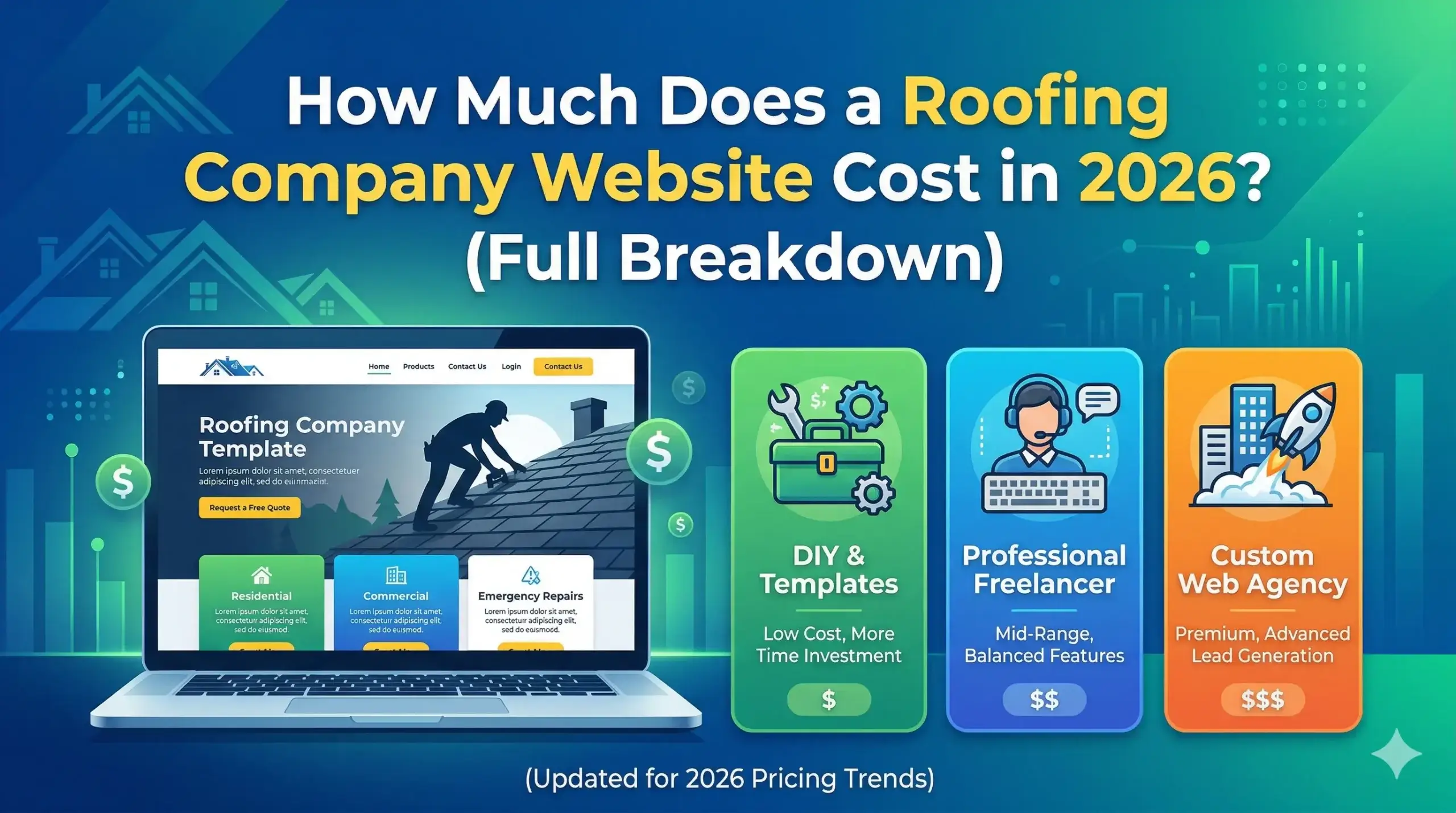
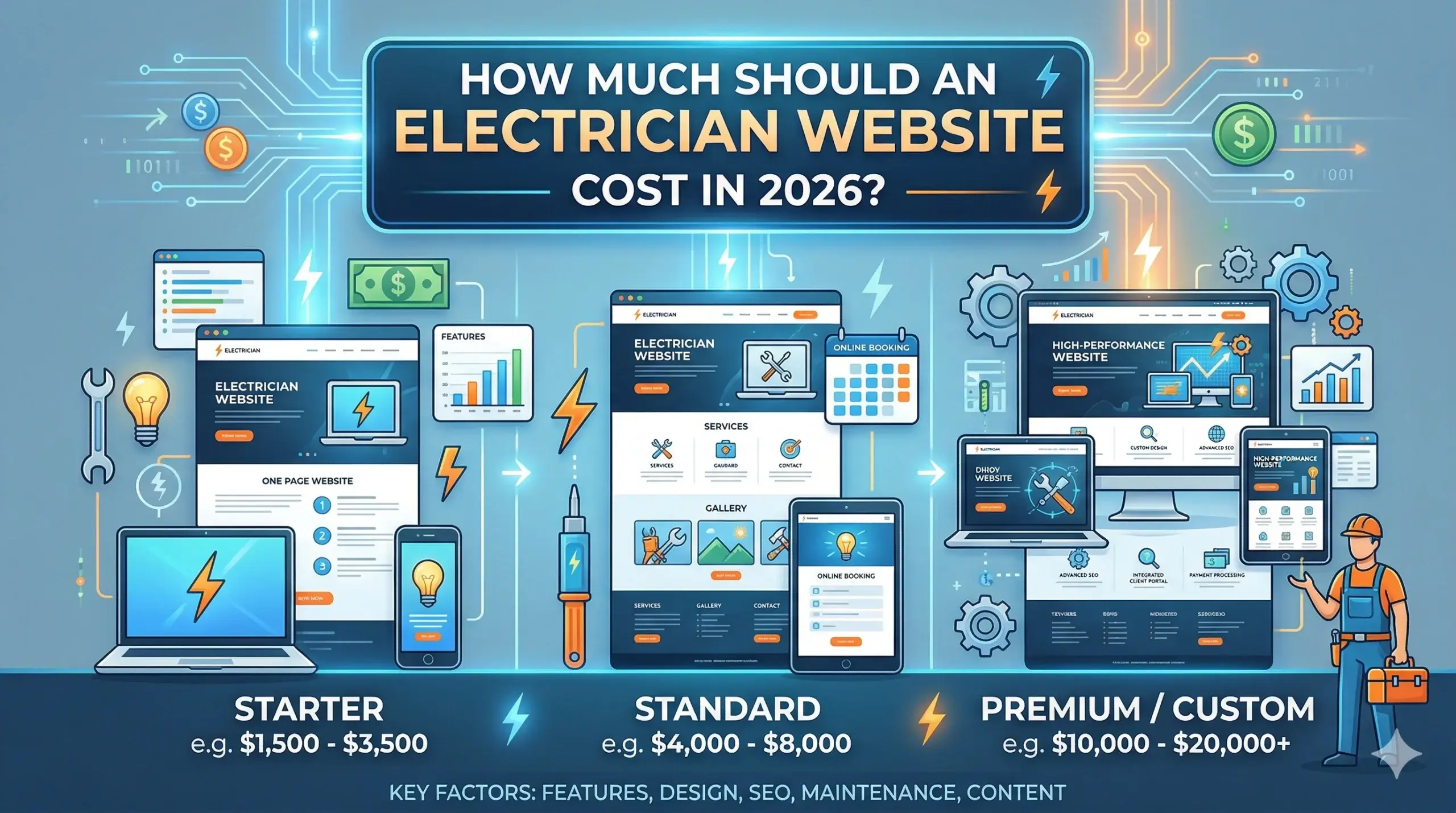
  • How Much Does a Small Business Website Cost in 2026? Understanding Pricing and Influential Factors in the USA

    How Much Does a Small Business Website Cost in 2026? Understanding Pricing and Influential Factors in the USA

    Overview of Small Business Website Costs in 2026

    As the digital landscape continues to evolve, small businesses in the USA are increasingly recognizing the necessity of establishing an online presence. In 2026, the small business website cost can vary significantly based on various factors, making it essential to understand the current pricing trends.

    On average, the cost of developing a small business website in 2026 ranges from $2,000 to $10,000. This price encompasses various elements, including design, functionality, and content creation. Businesses opting for DIY website builders may incur lower initial expenses, with prices typically falling between $200 and $1,000. However, it is crucial to consider that while DIY options might be budget-friendly, they often lack the professional quality and customization that hiring a web development team can provide.

    Professional website development usually entails higher costs as it includes tailored services that cater to a specific brand’s needs. Depending on the complexity of the website and the features required, these costs can be justified by improved user engagement and conversion rates. In addition to design and development, ongoing expenses such as web hosting and domain registration should also be factored into the overall small business website cost in 2026. Hosting prices generally range from $10 to $100 per month, depending on a site’s traffic and performance requirements.

    Various types of websites are available for small businesses, including e-commerce sites, portfolio sites, and service-focused platforms. The choice of website type not only influences the upfront development costs but also the ongoing technology and maintenance expenses. Therefore, businesses need to assess their specific goals and budget constraints, helping to inform their decisions regarding website pricing in the USA for 2026.

    Factors Influencing Website Costs

    When considering a small business website cost in 2026, multiple factors come into play, each adding to the overall pricing strategy. One of the primary determinants is the complexity of the website’s design. A site that requires custom graphics, intricate layouts, or unique branding will generally incur higher costs than a simpler design utilizing standardized templates. The choice between an e-commerce website and an informational one can also significantly influence prices. E-commerce sites demand more advanced functionalities for payment processing and inventory management, whereas informational sites typically require less sophisticated features.

    Another key consideration is whether to utilize custom solutions or predefined templates. Custom designs may provide distinctiveness and tailored functionalities for a unique customer experience; however, they often come at a premium. On the other hand, template solutions are cost-effective and may suffice for small businesses with smaller budgets. Similarly, the integration of additional features such as Search Engine Optimization (SEO) tools, robust security measures, and user analytics can further increase the total small business website cost in 2026.

    Furthermore, ongoing website maintenance and updates should not be overlooked. Regular updates are crucial for keeping the site secure and functioning optimally; consequently, the choice of a maintenance plan can introduce a recurring cost component. The collective influence of these factors leads to a wide price range for website development in the USA, making it essential for small business owners to thoroughly evaluate their specific needs and financial situation before embarking on a website project. By understanding these elements, they can better anticipate the overall expenses involved and make informed decisions regarding their digital presence.

    Breaking Down the Price Ranges

    When considering the small business website cost in 2026, it is essential to evaluate the available options and their associated price ranges. The costs for creating a website can vary significantly based on the complexity, features, and the expertise of the service provider. Primarily, we can categorize these into three main options: DIY website builders, freelance developers, and agency services.

    DIY website builders are often the most affordable route, typically ranging from $100 to $1,000 annually. These platforms allow business owners to design their websites using user-friendly templates and drag-and-drop features. The low cost appeals to startups and small businesses with limited budgets. However, while they offer flexibility, the trade-off may be reduced customization and potentially less professional design compared to other services.

    Freelance developers represent another pricing tier, with costs usually falling between $1,000 and $5,000, depending on the specific requirements. Hiring a freelancer allows for more customized websites tailored to the business’s unique needs. Freelancers often bring a personal touch and greater expertise in coding and design. However, the risk of inconsistent communication or availability can sometimes be a challenge.

    Finally, agency services can range from $5,000 to over $20,000. These comprehensive packages typically include extensive market research, custom design, SEO optimization, and ongoing support. While this option provides the most robust professional service, it also represents the highest small business website cost. It is best suited for businesses with more significant resources and a clear vision for their online presence.

    In summary, understanding these price ranges and the different factors affecting website pricing in the USA can help small businesses make informed decisions when planning their online strategy for 2026.

    Budgeting Tips for Small Businesses on Their Website

    When small businesses plan to develop their online presence, understanding the overall costs associated with a small business website in 2026 is crucial. Budgeting effectively can lead to a more sustainable investment in a digital platform that meets their needs. To this end, here are some essential tips that can assist small business owners in budgeting wisely for their website development.

    Firstly, it is imperative to conduct thorough research on website pricing in the USA. Comparing various service providers can contextualize costs among competitors. Prospective business owners should seek out detailed proposals from multiple designers or developers, ensuring to ask for itemized estimates. This analysis not only highlights potential discrepancies in pricing but also showcases the range of options available. Remember that cheaper services may lack essential features, leading to hidden costs later.

    Secondly, prioritizing necessary features is vital in establishing an effective website that aligns with specific business goals. Consider what functionalities are critical for business operations, such as e-commerce capabilities, SEO optimization, or mobile responsiveness, and allocate funds accordingly. By focusing on high-priority features, businesses can avoid excessive expenditure on unnecessary attributes that do not contribute to their primary objectives.

    Another important aspect of budgeting is recognizing the significance of long-term investment versus initial costs. While upfront expenses may appear daunting, a quality website is an asset that can yield impressive returns over time. It is beneficial to view the small business website cost 2026 not just as a single payment, but as part of a long-term strategy aimed at growth and sustainability.

    Lastly, engaging reputable service providers can impact both quality and pricing significantly. Seeking reviews and testimonials from past clients can be instrumental in identifying trustworthy partners. A good service provider will not only deliver quality work but also ensure that the investment is sound, thus optimizing the return on investment for any small business owner.

  • The Impact of Website Speed on Customer Retention: Practical Solutions for Small Businesses

    The Impact of Website Speed on Customer Retention: Practical Solutions for Small Businesses

    Understanding the Importance of Website Speed

    In today’s digital landscape, the significance of website speed cannot be overstated. As online consumers grow increasingly impatient, studies have shown that even a delay of just two seconds in page loading time can lead to a substantial increase in bounce rates. A slow website losing customers is a reality that small businesses cannot afford to ignore. Research indicates that 40% of users abandon a site that takes more than three seconds to load. This statistic highlights how critical speed is to user experience.

    Fast loading times do not just enhance user satisfaction; they directly impact conversion rates. When a website operates quickly, it can retain visitors longer, encouraging them to explore more content and ultimately make purchases. Hence, business owners must understand that the speed of their website is a crucial factor in maintaining customer interest. If a small business seeks to improve website speed, it requires both a commitment to website optimization and an understanding of the technological factors involved.

    Moreover, website speed is equally important for SEO ranking. Search engines like Google consider page load time as one of their ranking factors. A slow website can lead to diminished visibility in search engine results, further exacerbating the situation where a slow website losing customers becomes a significant problem. Better website speed for small business can yield higher search rankings, thus increasing organic traffic.

    In conclusion, businesses must prioritize fast loading times to provide users with a positive experience, reduce bounce rates, and improve search engine optimization. The willingness to invest in enhancing website speed will ultimately foster better customer retention and drive sales, positioning the business for long-term success.

    Common Factors That Slow Down Your Website

    For small businesses, a slow website can mean losing valuable customers. Understanding what commonly causes a slow website is essential in ensuring that you take the right steps to improve website speed. One major factor contributing to slow website performance is the presence of large image files. When images are high resolution and not optimized for the web, they can significantly delay loading times. Ensuring your images are resized and compressed will help enhance your website speed.

    Another culprit behind slow website loading is the use of unnecessary plugins. While plugins are useful for adding functionality to your site, too many can lead to performance problems. Every plugin can add extra code that needs to be processed, ultimately slowing down your website. Therefore, it’s wise to audit the plugins you have installed and remove any that are not essential for your business operations.

    Moreover, unoptimized code can contribute to poor website speed for small business owners. This includes excessive JavaScript or CSS that may not be useful. Streamlining your code by eliminating extra spaces, comments, and other non-essential elements can offer significant improvements. Working with a web developer, if necessary, can ensure your website code is as efficient as possible to avoid being one of the many websites suffering from sluggish speeds.

    Lastly, web hosting services play a crucial role in your website’s performance. If your server is slow or not properly configured, your website’s loading times will be affected. Selecting a reputable hosting provider that specializes in fast and reliable service is vital for preventing a slow website losing customers.

    Practical Tips for Improving Website Speed

    For small businesses, having a fast website is crucial, as a slow website can lead to losing customers and diminished user experience. Fortunately, there are several practical, non-technical strategies that can be easily implemented to improve website speed.

    One effective approach is to optimize images. Large images can significantly slow down your website; hence, it is essential to compress them without compromising on quality. Various tools are available that can help in resizing images appropriately, allowing for quicker load times while maintaining visual appeal.

    Another valuable technique is leveraging browser caching. By enabling caching, your website can store certain files locally on a user’s computer, which reduces load times on return visits. This not only improves the user experience but also enhances website speed for small business customers who are likely to revisit your site.

    Minimizing redirects is also imperative. Each redirect adds additional HTTP requests, which can significantly hinder your website’s loading time. By reviewing and eliminating unnecessary redirects, you can provide a smoother navigation experience for users, thereby decreasing the risk of a slow website losing customers.

    Lastly, selecting the right hosting provider is critical. A quality hosting service can drastically improve your website speed. When choosing a provider, consider their uptime performance, server locations, and the technologies they use. A reputable hosting service will directly impact how quickly your website loads, which is vital in today’s fast-paced digital environment.

    By implementing these straightforward tips, small businesses can greatly enhance their website speed, ensuring they retain customers and provide a satisfactory browsing experience.

    Conclusion and Call to Action: Take Charge of Your Website’s Performance

    In today’s digital marketplace, the speed of your website plays a critical role in determining customer retention rates. A slow website losing customers is a common challenge that small businesses face, often resulting in lost sales and diminished brand loyalty. Understanding why your website is slow is the first step towards addressing these issues effectively. Factors such as unoptimized images, excessive plugins, and server response times can significantly impact website performance.

    Improving website speed is not just a technical concern; it is an integral part of your customer experience strategy. Customers expect fast-loading pages, and a delay of just a few seconds can lead to increased bounce rates. Businesses that prioritize website speed for small business initiatives often see positive results in customer engagement and conversion rates. Therefore, taking proactive measures to enhance your website performance should be a top priority.

    Small business owners are encouraged to conduct regular speed tests and identify areas for improvement. Utilizing tools like Google PageSpeed Insights can provide valuable insights into how your website is performing and what specific changes can be made. If the technical aspects seem overwhelming, consider seeking professional assistance to ensure your website is optimized effectively. Harnessing the power of efficient web performance can pave the way for better customer retention and overall business success.

    Taking these steps not only improves your website’s speed but also contributes to creating a seamless and satisfying experience for your visitors. By prioritizing website speed, you can significantly enhance your potential for growth and customer loyalty. Now is the time to take charge of your website’s performance and reap the benefits of a faster, more customer-friendly online presence.

  • Website vs Facebook Page: Which Brings More Customers for Small Businesses?

    Website vs Facebook Page: Which Brings More Customers for Small Businesses?

    Introduction to Online Presence for Small Businesses

    In the current digital age, establishing a strong online presence is vital for small businesses seeking growth and customer engagement. In the USA, many potential customers turn to the internet to research and connect with local businesses. Establishing a robust online presence not only helps increase visibility but also allows for direct interaction with customers. This raises the question: do small businesses need websites, or can a Facebook page suffice?

    Both a website and a Facebook page serve different purposes in the online ecosystem. A website offers a dedicated platform where businesses can showcase their products or services, share detailed information, and brand themselves consistently. It serves as a central hub for all business-related content, including blogs, galleries, and contact information. This makes a website an essential asset for building credibility and trust with potential clients.

    Conversely, a Facebook page stands out as an effective tool for immediate customer engagement. It allows businesses to interact directly with their audience, share updates, and build a community around their brand. Given Facebook’s vast user base, it can significantly enhance a small business’s exposure. However, relying solely on social media for business presence may overlook the comprehensive reach and control that a dedicated website provides.

    Therefore, comparing a website vs Facebook page business presents critical insights into how small businesses can effectively use these platforms to strengthen their online presence. Both tools are beneficial; however, their effectiveness depends on how well they are integrated into a larger digital marketing strategy. Small business owners must carefully evaluate their specific needs and objectives before determining the ideal combination of a website and social media to maximize customer reach.

    Pros and Cons of Having a Website

    In the competitive landscape of small businesses, establishing a robust online presence is vital. Owning a website provides numerous advantages. Firstly, one of the most significant benefits is the complete control over content. Unlike a Facebook page, where the platform dictates certain features, a website allows businesses to present their products and services precisely as they wish. Brand image can be effectively tailored through customized design and user-friendly navigation. For example, a local bakery can showcase its offerings in a visually appealing format, enticing customers with mouth-watering images of delectable goods.

    Furthermore, having a dedicated online site enhances search engine optimization (SEO) efforts. A well-optimized website improves visibility on search engines, making it easier for potential customers to discover the business through organic searches. This is a stark contrast to relying solely on social media platforms, where visibility can be hindered by algorithm changes. A small retail store, for instance, may notice significantly increased foot traffic by ranking higher on SERPs through targeted SEO strategies.

    Another compelling advantage is the ability to sell products or services directly through an online store. Websites equipped with e-commerce functionalities provide seamless transactions, allowing small businesses to generate income even when physical locations are closed. For example, a handcrafted jewelry business can effectively reach customers nationwide, maximizing sales opportunities.

    However, the blog post should also address the challenges associated with having a website. The initial costs can be a hurdle for many small businesses, with expenses ranging from design to hosting services. Additionally, maintaining a website requires ongoing efforts, including regular updates and security measures, which often necessitates technical knowledge. This can be daunting for business owners unfamiliar with web management. Ultimately, while a website offers considerable benefits over a Facebook page in establishing a business online presence, these factors must be weighed against the associated costs and knowledge requirements.

    Pros and Cons of Using a Facebook Page

    The use of a Facebook page for business promotion has become a popular strategy for many small businesses. One of the most notable advantages is immediate access to a vast audience. With billions of active users, businesses can connect with potential customers who are already engaged with the platform. This large user base provides an opportunity for businesses to expand their reach and create a community around their brand, which is a significant factor when considering business online presence.

    Another advantage is ease of use. Setting up a Facebook page is relatively straightforward, even for those with limited technical skills. Users can quickly create content, share updates, and interact with followers. Furthermore, the platform offers various tools that can facilitate marketing efforts, such as targeted advertising and insights into user engagement. This cost-effectiveness makes Facebook an attractive alternative, particularly for small businesses that may not have the budget for a full-fledged website.

    However, there are also notable disadvantages to relying solely on a Facebook page. One significant drawback is the lack of customization. Unlike a dedicated website, which allows for extensive branding and design options, Facebook pages are constrained by the platform’s templates and rules. Businesses may find their brand identity diluted because of these restrictions.

    Additionally, businesses are dependent on Facebook’s algorithms, which dictate content visibility. This dependency can limit a business’s organic reach, potentially requiring paid advertising to ensure posts are seen. As a result, while businesses may initially reap the benefits of Facebook’s user base, they could face challenges with engagement over time.

    In some cases, businesses have experienced diminished interactions despite an increasing number of followers due to algorithm changes. These factors make the website vs Facebook page business comparison crucial to understand for sustained success and customer engagement.

    Conclusion: The Case for a Professional Website

    As the digital landscape continues to evolve, small businesses face critical questions about establishing their online presence. The discussion around website vs Facebook page business highlights essential distinctions in their capabilities and functionalities. While a Facebook page offers a platform for engagement and communication, it cannot replicate the comprehensive features and branding opportunities afforded by a professional website.

    Our exploration of the Facebook page vs website concept has revealed that while both serve as powerful tools for marketing, a website remains a pivotal asset for small businesses. Websites are customizable, allowing for tailored content that aligns with the brand’s vision and goals. Furthermore, they enhance credibility, enabling customers to navigate a professional platform that showcases products and services beyond the limitations of social media.

    It is evident that do small businesses need websites? The answer leans strongly towards yes. A well-structured website not only drives traffic but also boosts buyer trust, which is essential for converting visitors into customers. Investing in a website enhances scalability for businesses, allowing them to grow without the constraints that a Facebook page might impose.

    As we conclude this analysis, it becomes apparent that while both platforms can coexist and complement one another, a dedicated website is indispensable for any small business looking to establish a serious business online presence. The potential to fully control the narrative, host a vast array of content, and engage customers on a deeper level positions a website as a cornerstone of modern business strategy. Small business owners are encouraged to invest resources wisely towards developing a professional online site that not only reflects their brand but also actively attracts and retains customers.

  • Common Small Business Website Mistakes That Hurt Conversions and Sales

    Common Small Business Website Mistakes That Hurt Conversions and Sales

    In the current digital era, mobile devices have become a primary means through which consumers access the internet. As such, neglecting mobile optimization can significantly limit a small business’s website effectiveness, leading to conversion problems and lost sales opportunities. When a website is not mobile-responsive, potential customers who browse using smartphones or tablets may quickly become frustrated and abandon the site. Common issues arise from slow load times—where a website takes too long to display—difficult navigation that hinders user experience, and unclear text that is barely readable on smaller screens.

    A mobile-unfriendly website can cause visitors to question the credibility of the business, which can ultimately hurt its overall performance. For instance, if an e-commerce site fails to display product images clearly or allows cart checkout processes to be cumbersome, customers may opt for competitors with better mobile experiences. Additionally, when pondering why a website is not converting, business owners should consider whether a significant portion of their traffic originates from mobile users. The absence of a seamless mobile experience can be a critical factor in low conversion rates.

    To rectify these website conversion problems, small business owners should consider implementing several actionable fixes. Firstly, adopting responsive web design that automatically adjusts content based on the user’s screen size can drastically improve mobile experience. This design approach ensures that all users receive a similar experience regardless of device. Secondly, optimizing images to decrease loading times would enhance performance; compressed images load faster and provide clarity without sacrificing quality. Lastly, simplifying navigation for mobile users by minimizing menu items can greatly improve user engagement. By addressing mobile optimization effectively, businesses can fix low conversion websites and boost their online presence, ultimately increasing their conversion rates and sales.

    Poor User Experience and Navigation

    A well-structured website navigation is essential for guiding visitors seamlessly through a small business website. When users struggle to find information due to poor navigation, they are more likely to abandon the site, resulting in low conversion rates. Common small business website mistakes often lead to frustrating user experiences. For instance, overly complicated menus can confuse visitors, forcing them to sift through numerous options to find what they’re looking for. This can create a sense of disorientation and negatively impact the overall website conversion process.

    Moreover, excessive clutter on web pages can overwhelm users, distracting them from the primary actions they should be taking, such as making a purchase or signing up for a newsletter. When every element on a page competes for attention, it becomes difficult for the user to focus on the desired call-to-action. A clear, uncluttered design helps direct users’ attention and enhances their likelihood of converting.

    Real-world scenarios further illustrate these website conversion problems. For example, a small online retailer might have a website with a complex navigation system, leading users to scroll through multiple categories before reaching the products they want. This process can result in frustration, causing potential customers to abandon their shopping carts. Conversely, simple, well-organized navigation with visible calls-to-action can lead to a smoother user journey, ultimately improving conversion rates.

    To address these issues, business owners should consider restructuring their menus. Implementing a drop-down menu that is easy to understand while limiting choices can enhance usability significantly. Additionally, ensuring that calls-to-action are prominently displayed and well-worded can guide visitors towards desired actions more effectively. By focusing on the user experience and refining website navigation, small businesses can prevent common pitfalls that hinder conversions and optimize their site for improved sales.

    Lack of Clear Value Proposition and Trust Signals

    One of the most significant small business website mistakes is the absence of a clear value proposition. The value proposition articulates what sets a business apart from its competitors and informs visitors about the unique benefits they will receive by choosing that business. When a website lacks this essential element, potential customers may be left confused about why they should stay and explore further. A strong value proposition should be prominently displayed on the homepage, encapsulating the essence of what makes the business special and compelling.

    In addition to a clear value proposition, trust signals play an integral role in enhancing credibility and persuading visitors to engage with a website. Trust signals include elements like customer reviews, testimonials, security badges, and recognizable logos from partners or certification bodies. Without these signals, visitors may experience uncertainty, leading to a higher likelihood of abandonment. For example, a website that features positive reviews or ratings prominently can leverage the social proof effect, encouraging new visitors to trust the services or products offered.

    To rectify the website conversion problems that may arise from these omissions, businesses should focus on two key strategies. First, refine your messaging so that it clearly and concisely conveys your unique selling propositions. Utilize engaging language that resonates with your target audience. Secondly, strategically place trust signals throughout the site—not just on the homepage but across product pages, checkout forms, and any place where customers might hesitate. By addressing these aspects, you can significantly enhance the overall customer confidence, leading to improved conversions.

    Ignoring SEO Best Practices

    A well-crafted small business website serves as a digital storefront. However, its effectiveness can diminish dramatically if it is not discoverable online. Search Engine Optimization (SEO) plays a pivotal role in determining how visible a website is in search engine results. Ignoring SEO best practices can lead to common website conversion problems, ultimately hindering sales.

    One key mistake many small business owners make is keyword stuffing, wherein they excessively use particular keywords in an attempt to rank higher. This technique can backfire, as search engines have become adept at recognizing manipulative practices and may penalize a website, resulting in reduced visibility. A more effective approach includes integrating well-researched keywords naturally into content, which enhances readability while still targeting relevant search queries.

    Another frequent oversight is the neglect of meta descriptions, which provide snippets of page content on search engines. A compelling meta description can significantly impact click-through rates. It is advisable to create engaging and informative meta descriptions that accurately reflect the page’s focus, enticing users to click through to the site.

    Additionally, small business websites should feature alt tags for images. These tags not only improve accessibility for visually impaired users but also serve as an opportunity for better indexing by search engines. Including descriptive alt tags, while incorporating relevant keywords, creates a dual benefit: enhancing the user experience and optimizing the site for search engines.

    To improve organic search traffic and conversions, it is essential to adopt fundamental on-page SEO principles. Conducting thorough keyword research, incorporating relevant keywords coherently, and ensuring that each page has a well-defined purpose will collectively contribute to a more effective and discoverable website. By addressing these areas, small businesses can effectively navigate website conversion problems and ultimately fix low conversion websites.