
Tag: business website

  • Essential Pages Every Small Business Website Must Have

    Essential Pages Every Small Business Website Must Have

    Introduction to Small Business Websites

    In today’s digital landscape, the importance of a well-structured website for small businesses cannot be overstated. A business website serves as a vital digital storefront, providing an array of essential information to potential customers. It offers a platform for businesses to showcase their products or services, share their brand story, and connect with their audience in a meaningful way. Without a robust online presence, small businesses may struggle to compete in an increasingly digital marketplace.

    A quality website bridges the gap between a business and its customers, acting as a first point of contact. It plays a crucial role in establishing credibility and trust, offering consumers the assurance they need to engage with a brand. For many customers, their initial impression of a company is based primarily on its website. Therefore, it is imperative for small businesses to invest in a website that not only reflects their identity but also meets the expectations of their target audience.

    Furthermore, an effective small business website enhances visibility, making it easier for potential customers to discover the business through search engines. By incorporating essential website pages, such as contact information, service or product descriptions, and customer testimonials, businesses can effectively convey their value proposition. This strategic presentation of information can significantly influence customer decisions, leading to increased engagement and higher conversion rates.

    In summary, having a purposeful online presence is essential for small businesses. It not only facilitates customer interaction but also serves as a comprehensive tool to convey essential business information. The following sections will delve into the specific essential website pages that every small business should consider to enhance their website’s effectiveness and overall impact.

    Home Page: The Face of Your Business

    The Home Page of a small business website acts as the initial point of contact for potential customers, making it crucial for crafting a positive first impression. This essential website page should communicate the brand’s core values and offerings instantly, facilitating user engagement from the outset. Including a clear value proposition on the Home Page allows visitors to quickly understand how your business can meet their needs or solve their problems. This statement should be prominently displayed, ensuring that it captures the essence of what makes your business unique.

    To enhance the visual appeal of the Home Page, incorporating engaging visuals, such as high-quality images or videos, can significantly improve the user experience. These elements not only draw attention but also help convey your brand message in a more compelling way. In addition to aesthetic considerations, the layout should support intuitive navigation, allowing users to find the information they seek without unnecessary difficulty.

    Optimizing the Home Page for both user experience and search engines is another vital aspect that should not be overlooked. Implementing responsive design ensures that the website functions seamlessly across various devices, catering to the increasing number of users accessing sites via mobile. Moreover, integrating essential keywords relevant to your business throughout the Home Page can enhance visibility on search engines, thus driving organic traffic.

    In summary, the Home Page is not just the face of your business; it is the linchpin that can either captivate your audience or drive them away. By focusing on a clear value proposition, appealing visuals, and user-friendly navigation, businesses can effectively engage visitors and encourage them to explore further into their website, ultimately leading to increased customer conversions.

    About Us: Telling Your Brand Story

    The About Us page is a fundamental component of essential website pages for small businesses, as it plays a pivotal role in establishing trust and creating a connection with potential customers. This page serves not only as an introduction to the business but also as a platform to articulate the brand’s mission, vision, and core values. By effectively communicating these elements, businesses can foster a sense of familiarity and transparency that is crucial for customer engagement.

    When crafting the About Us page, it is important to share your brand story in a manner that resonates with your target audience. This narrative should reflect your passion, the journey of your business, and the problems you aim to solve. Including personal anecdotes or insights can help humanize your brand and make it more relatable, thereby enhancing emotional connections with visitors. Unpacking the motivations behind the establishment of your business not only informs customers but also allows them to feel a part of your journey.

    Additionally, introducing the team behind the brand can significantly enhance credibility. Providing bios, photos, and roles of key team members showcases the diverse talents and expertise within your organization. This transparency can assuage customer uncertainties and highlight the reliability of your services or products.

    In conclusion, crafting a compelling About Us page is essential for small businesses aiming to build trust and foster relationships with their customers. By sharing your brand story, elucidating your mission, and introducing your team, you create a welcoming space that aligns with your business values and resonates with your audience.

    Contact Page: Make It Easy to Reach You

    The Contact Page is an essential website page for any small business, serving as a critical component of customer engagement. It is the gateway through which customers connect with the business, making it imperative that this page is designed for easy accessibility and responsiveness. To foster an effective communication channel, various forms of contact information should be clearly presented.

    At a minimum, the Contact Page should include a business phone number, an email address, and a physical address. This information reassures customers that they can reach the business through multiple avenues. Including a phone number allows for immediate communication, which can be crucial in resolving customer inquiries or concerns swiftly. An email address provides a more formal means of communication, ideal for customers who prefer written correspondences.

    Moreover, integrating a contact form on the page can enhance user experience significantly. This feature enables customers to send inquiries directly through the website, streamlining the process. While filling out the form, customers can select specific topics related to their queries, allowing the business to categorize and respond appropriately. Such arrangements not only improve customer service but also aid in managing inquiries more efficiently.

    Accessibility is another essential element of a well-designed contact page. Ensuring that all contact methods are visible and easy to locate encourages visitors not to hesitate in reaching out. Furthermore, adopting a responsive design ensures that the contact functionalities are usable across various devices—whether users are browsing on a desktop, tablet, or mobile phone. Making it convenient for customers to interact with the business fosters trust and builds stronger relationships, which are vital for long-term success.
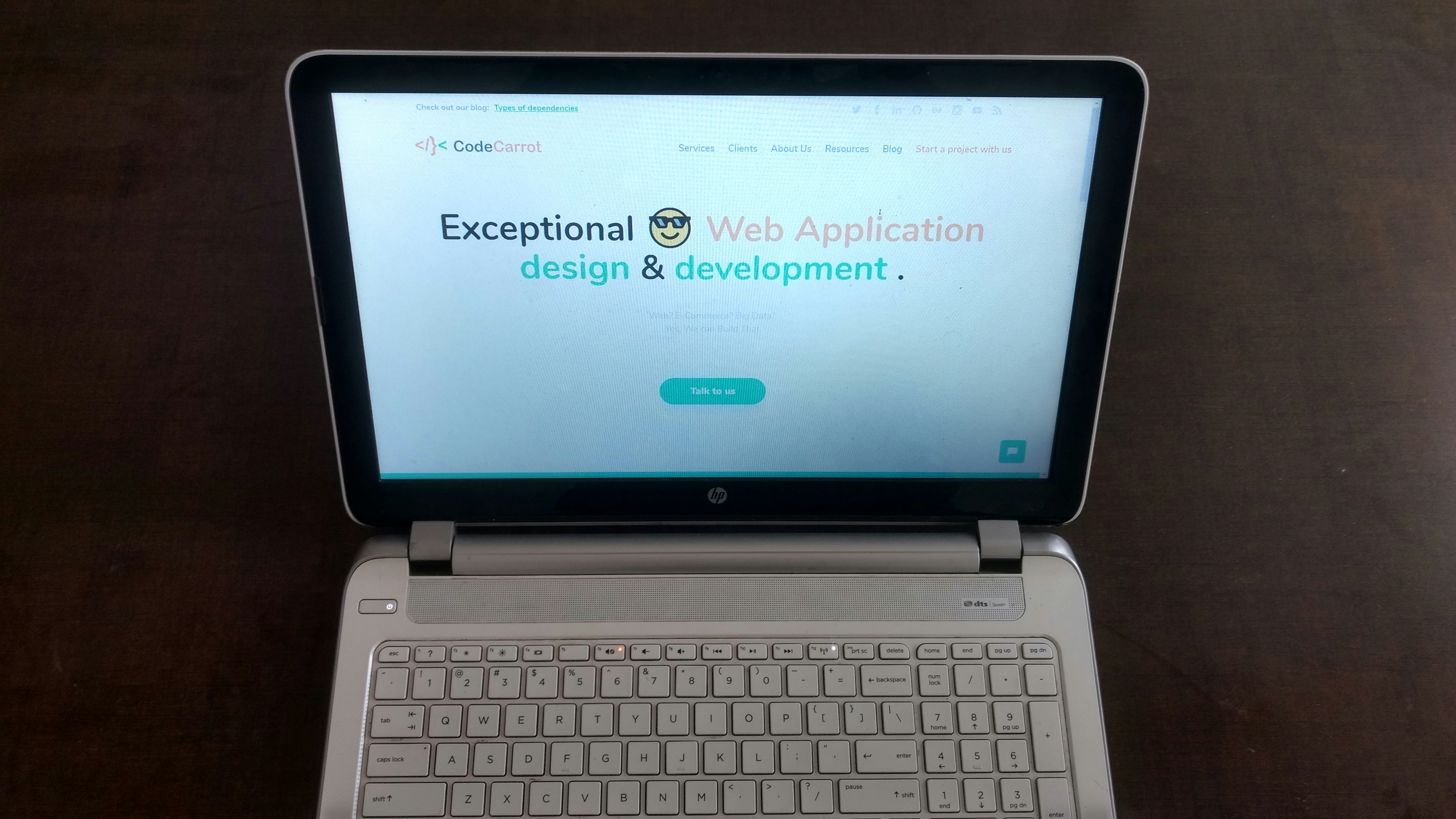
  • How Long Does It Take to Build a Professional Business Website?

    How Long Does It Take to Build a Professional Business Website?

    Understanding the Phases of Website Development

    Building a professional business website involves several key phases, each contributing to the overall website timeline business. Understanding these phases is crucial for managing expectations and ensuring a smooth development process. The primary phases include planning, design, development, testing, and launch.

    The first phase, planning, lays the foundation for the entire project. During this stage, stakeholders define the objectives, target audience, and key features of the website. Adequate time spent on planning can significantly affect how long to build a website, as clear objectives help avoid revisions later on. Additionally, stakeholder input is critical, as it shapes the direction of the project and influences the subsequent phases.

    Once planning is complete, the design phase begins. Here, designers create wireframes and mockups that depict the website’s user interface and experience. This phase can be complex, as designers often need to incorporate feedback, requiring multiple iterations that can impact the timeline. The emphasis during this phase should be on user experience to ensure that the final design aligns with the business goals.

    The development phase follows, where the website’s technical aspects are built according to the finalized design. Developers write code, create databases, and integrate functionalities. This phase is variable in duration depending on the complexity of features and technology being employed. Testing is then conducted to identify any bugs or issues that must be resolved before launch, ensuring a smooth user experience upon deployment.

    Once testing is complete, the website is launched, marking the final phase of development. However, even after the launch, ongoing updates and improvements often continue based on user feedback and evolving business needs, highlighting the iterative nature of website management.

    Factors Influencing Website Development Time

    The timeline required to build a professional business website can vary significantly depending on several factors. To begin with, the complexity of the site plays a crucial role. A simple landing page may take only a few days, while a website with multiple pages, categories, and sophisticated functionalities can require several weeks or even months to develop. For example, a business wanting to create a basic informational site will have a notably shorter website timeline compared to businesses looking to implement intricate features such as e-commerce capabilities or custom web applications.

    Another essential aspect is the experience level of the developers involved in the project. Seasoned developers tend to work more efficiently due to their familiarity with best practices, common problems, and proven solutions. They can often anticipate potential challenges and mitigate them early on, thus shortening the overall website timeline. On the other hand, less experienced developers may take longer to navigate obstacles, ultimately prolonging the development process.

    The tools and technologies used during development can also significantly affect how long it takes to build a website. Utilizing advanced frameworks and content management systems can streamline the process. For instance, platforms like WordPress or Shopify allow for quicker setups and integration of various functionalities, which can greatly reduce the website timeline for businesses, particularly those new to online presence.

    Finally, additional features such as responsive design, search engine optimization, and security measures also demand attention. Implementing these features can enhance user experience and functionality but may extend the time required to develop the website. Therefore, understanding these factors is essential for businesses as they plan their website development timelines.

    Typical Timelines for Different Types of Websites

    When considering how long to build a website, it is important to recognize that the timeline can vary significantly depending on the complexity and type of the site. Generally, four primary types of websites can be distinguished: informational sites, corporate sites, e-commerce platforms, and custom web applications. Each of these categories has its own timeline considerations.

    1. Informational websites, often serving as digital brochures, usually require a relatively short development period. Typically, these sites take anywhere from one to three weeks to complete. This allows sufficient time for content creation, design implementation, and basic functionality. Formatting and layout may be completed swiftly, especially if templates are employed.

    2. Corporate websites, which serve businesses seeking a web presence with moderate complexity, generally demand more time. The development of a comprehensive corporate site typically falls within a range of four to eight weeks. This duration considers factors such as detailed content crafting, brand alignment, and more sophisticated navigation structures. Engaging stakeholders for feedback also contributes to the extended timeline.

    3. E-commerce platforms present the most complex scenario when determining the website timeline business owners should anticipate. Building a fully functional e-commerce website can take anywhere from eight weeks to several months. This variability stems from the need for robust payment gateway integrations, inventory management systems, user account setups, and security measures. Thorough testing is paramount, enhancing the site’s reliability and user experience.

    4. Custom web applications entail the longest timeframes due to their bespoke nature, requiring anywhere from three months to over a year. These projects necessitate extensive planning, coding, and iterative testing. Factors influencing this timeline include the complexity of the features being developed and ongoing maintenance considerations.

    Understanding the different website types and associated timelines can help businesses better plan their online presence, ensuring expectations align with the realities of website development.

    Strategies to Speed Up Website Development

    To effectively reduce the time it takes to bring a professional business website to life, several strategies can be employed while ensuring quality remains uncompromised. A significant factor is clear communication. Establishing open lines of dialogue between all stakeholders can eliminate misunderstandings, thereby shortening the website timeline. Ensuring that everyone involved—from the development team to design and content creators—is aligned on objectives helps avoid unnecessary delays.

    Another crucial aspect is setting realistic timelines. Businesses should conduct thorough research to understand how long to build a website under varying circumstances, factoring in anticipated challenges and resource availability. Predicting potential bottlenecks allows for better planning and can result in a more streamlined process.

    Utilizing website templates is a practical way to accelerate development. Templates offer pre-built structures that can be customized to meet brand needs, thus significantly reducing the development time compared to creating a website from scratch. However, it is essential to choose templates that align well with the business’s vision and functionality requirements.

    Choosing the right development team can also make a substantial difference. When selecting a team, look for their experience in building similar websites and their understanding of your specific industry. A skilled team can leverage best practices to speed up the website timeline, ensuring that all components are integrated seamlessly.

    In addition to these strategies, regular progress reviews are beneficial for keeping the development process on track. Summarizing what has been achieved at set intervals allows for adjustments and ensures that the project adheres to the proposed timeline. By employing these strategies, businesses can enjoy a more efficient website development experience without sacrificing the quality of the final product.